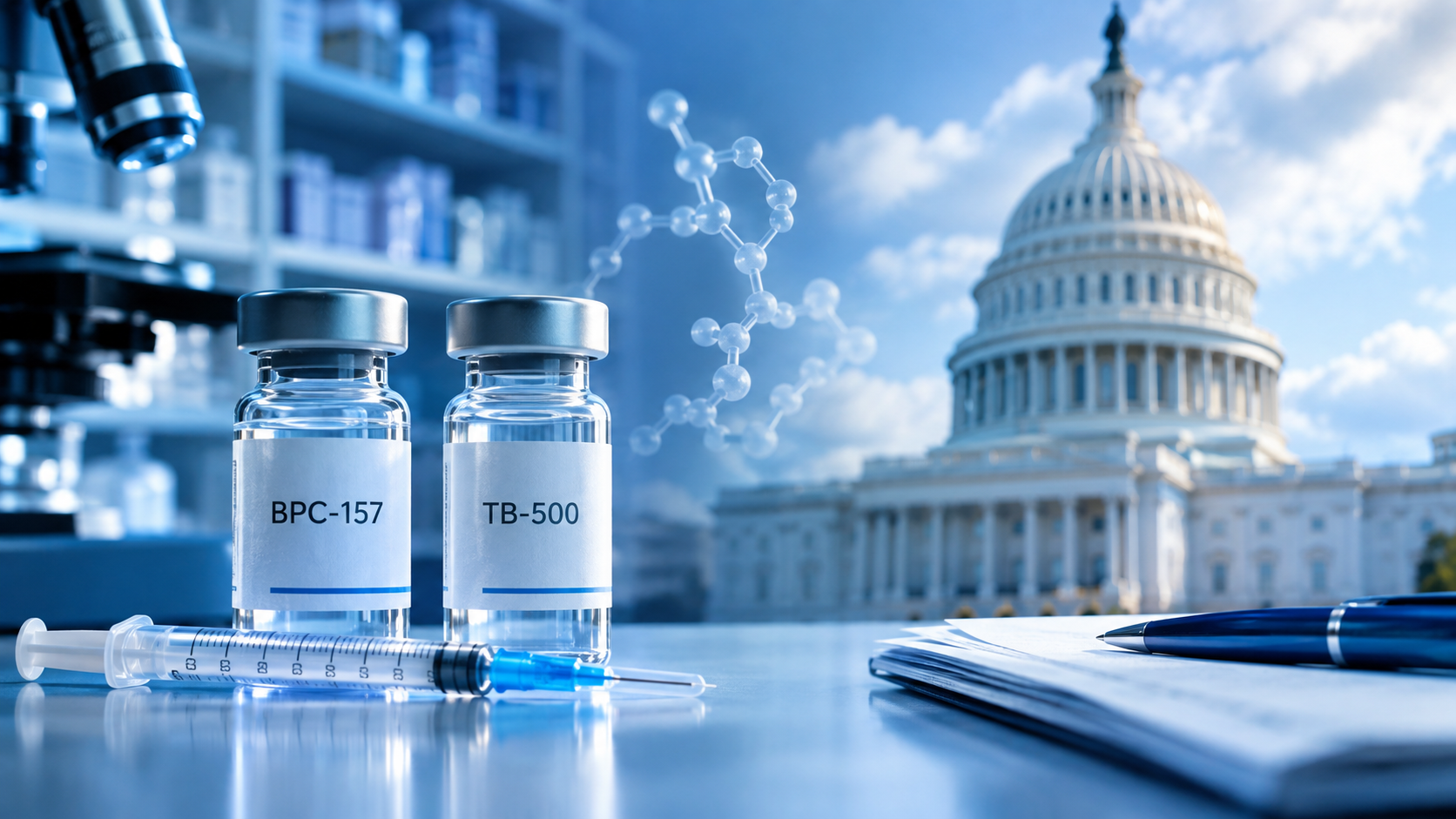
Smithsonian Magazine has published a long-form investigative feature examining the rapid growth of the peptide industry, the regulatory gaps surrounding it, and the consumer risks that have emerged as products such as BPC-157, TB-500, and MOTS-c have moved from niche biohacking circles into mainstream use.
The article traces how these compounds developed into what the magazine describes as a parallel healthcare system, one operating largely outside the oversight of the U.S. Food and Drug Administration. It examines the regulatory history of these peptides, their adoption by fitness communities, and the risks tied to their widespread availability through telehealth platforms and compounding pharmacies.
The feature also highlights a notable regulatory development: in July 2026, an FDA advisory committee moved to make six peptides easier to access, even though none of those compounds had been proven safe or effective or had received FDA approval.
What happened
The Smithsonian investigation provides a detailed look at how the peptide marketplace expanded over time. The article focuses on several widely discussed compounds, including BPC-157, TB-500, and MOTS-c, and describes how they gained traction among fitness and wellness communities before reaching a broader consumer base through online telehealth services and compounding pharmacies.
According to the report, these products are being marketed and distributed through channels that fall outside the conventional drug approval process. The magazine reports that the FDA advisory committee’s July 2026 decision to ease access to six peptides came despite the absence of FDA approval or established safety and efficacy data for those compounds.
Why it matters
The Smithsonian feature is significant for its reach and framing. Rather than treating peptide use as a fringe biohacking trend, the magazine presents it as a mass cultural phenomenon with broad consumer adoption. This kind of mainstream coverage may shape public perception and could increase pressure on regulators and lawmakers to respond.
The article arrives at a moment when the FDA and federal courts are facing upcoming decisions related to peptide compounding. How regulators and courts handle those decisions could affect the availability of peptide products through compounding pharmacies and telehealth platforms.
For consumers, the investigation underscores the gap between the accessibility of these compounds and the evidence supporting their use. For compounding pharmacies, telehealth platforms, and healthcare providers, it suggests that outside scrutiny of the peptide marketplace may be intensifying.
What to watch next
- Upcoming FDA decisions on peptide compounding and whether additional compounds face restriction or expanded access
- Court rulings that could shape the legal framework for peptide distribution
- Whether mainstream media coverage prompts legislative or regulatory responses
- How telehealth platforms and compounding pharmacies adjust their practices in response to growing public attention
Sources
Smithsonian Magazine — “Peptides Are All the Rage, Promising Miracle Cures and Makeovers Delivered by Injection: How Did We Get Here?”
Industry information only. Not medical or legal advice.